
loader image

Beta-glucan and the immune system: what today’s science says

Beta-glucans are a group of natural polysaccharides found in the cell walls of yeasts, fungi, some bacteria, and grains such as barley and oats. The chemical structure of beta-glucan varies depending on its source, and this structural difference can affect its biological effects.

In recent years, beta-glucan has become one of the most well‑known and widely studied compounds in the field of immune system health.

Table of Contents

The connection between beta-glucan and the immune system.

The human immune system consists of two main parts:

Innate immunity

Adaptive immunity

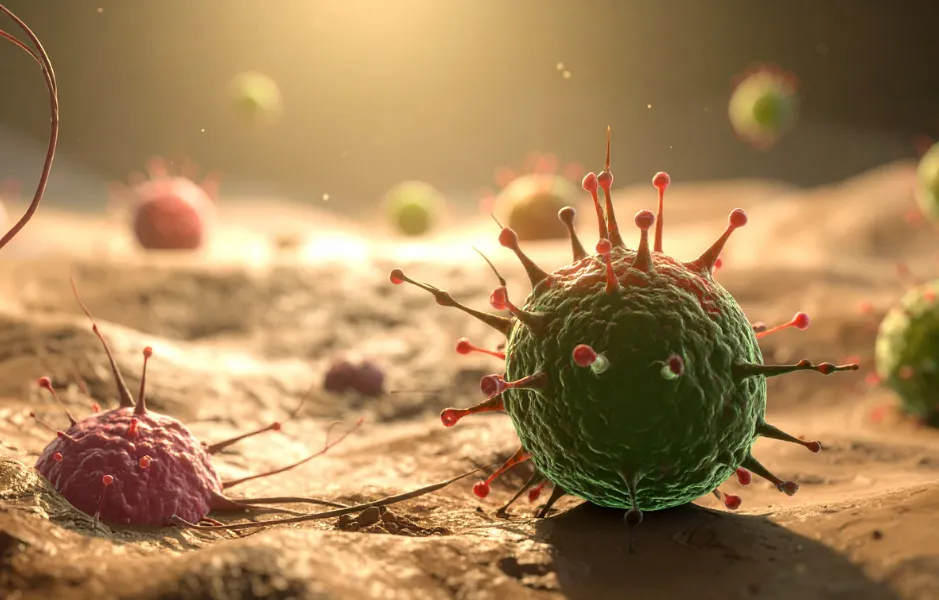
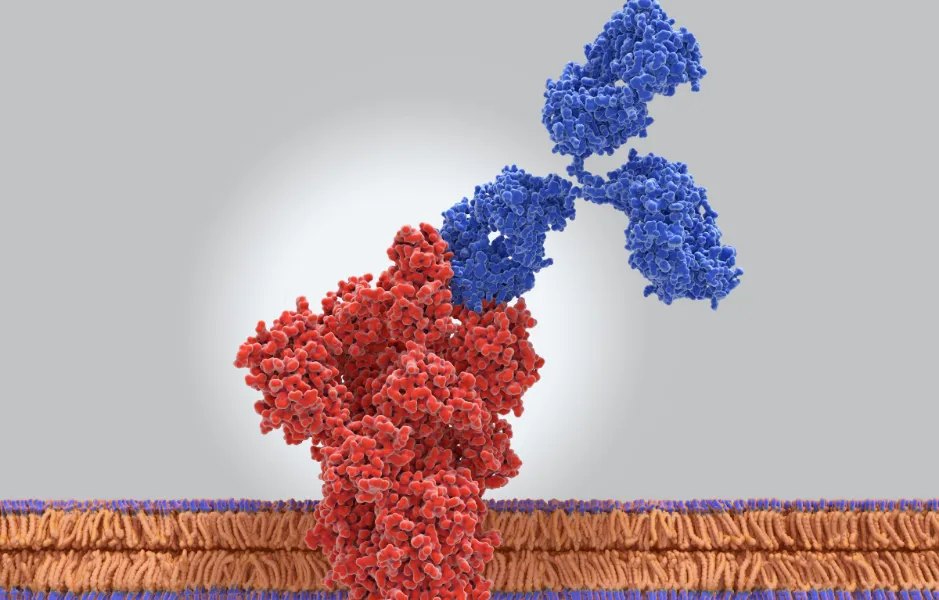
Studies have shown that beta‑glucans can interact with specific receptors on immune cells such as macrophages, neutrophils, and dendritic cells. This interaction leads to the activation of various immune pathways and enhances the body’s natural response against pathogens.

خواندنی ها

The role of beta‑glucan in "trained immunity" (innate immune training).

One of the newer concepts in immunology is “trained immunity.”

According to recent research, certain natural compounds, including beta‑glucans, can induce functional changes in innate immune cells. As a result, these cells show a more effective response upon subsequent encounters with pathogens. This is considered one of the most important proposed mechanisms for the immunostimulatory effects of beta‑glucan.

Is there human evidence?

Several human studies have been conducted on beta‑glucans derived from yeast and fungi. The results of these studies indicate that oral intake of certain types of beta‑glucans can have a positive effect on immune system function markers and may help support normal immune function in some populations. However, the intensity of the effect depends on the source of beta‑glucan, the dosage, and the study population.

What is the difference between fungal beta-glucan and cereal beta-glucan?

Beta‑glucan found in fungi and yeast is mainly of the β‑(1,3)/(1,6)‑glucan type, which is primarily of interest for its immunomodulatory effects.

In contrast, barley and oat beta‑glucan is better known for its metabolic effects, such as helping to reduce LDL cholesterol and controlling blood glucose response. Therefore, when choosing supplements containing beta‑glucan, the source is very important.

Beta‑glucan and gut health

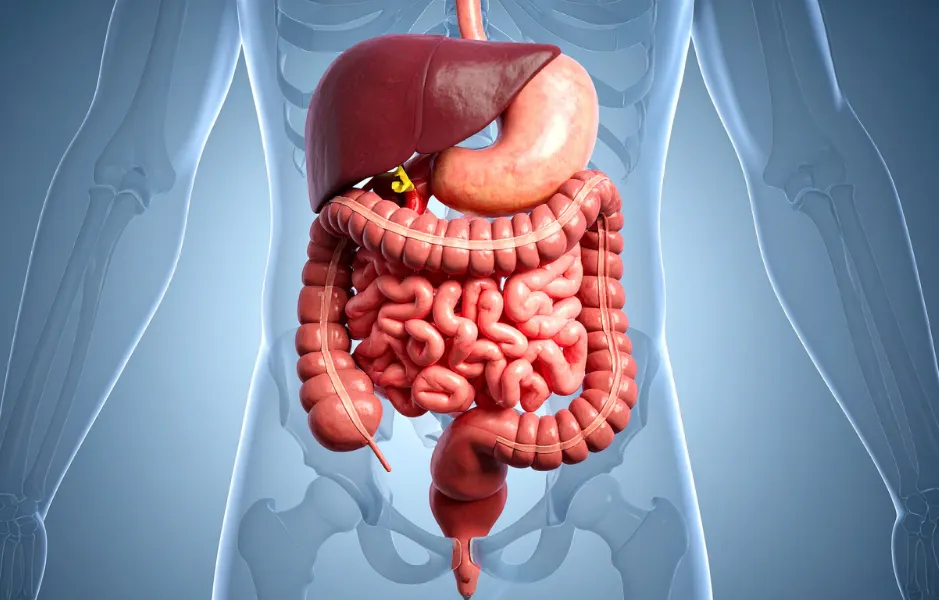
Recent research shows that beta‑glucan can also affect the composition of the gut microbiota. Since a significant part of immune system function is linked to gut health, this effect may be one of the indirect pathways for supporting immune function.

Safety of use

The European Food Safety Authority (EFSA), after reviewing human and animal data, has confirmed the safety of certain types of yeast‑derived beta‑glucans under the recommended conditions of use.

Summary

Beta‑glucan is one of the most widely studied natural compounds in the field of immune system health. Scientific evidence shows that beta‑glucans derived from fungi and yeast can help maintain normal immune function through interaction with immune cells and modulation of immune responses. However, the final effectiveness depends on the source of beta‑glucan, the quality of the raw material, the dosage, and individual conditions.

Related articles

Read at Nanohayat Salamat

دسته های پرطرف دار

دسته های پرطرف دار