
loader image

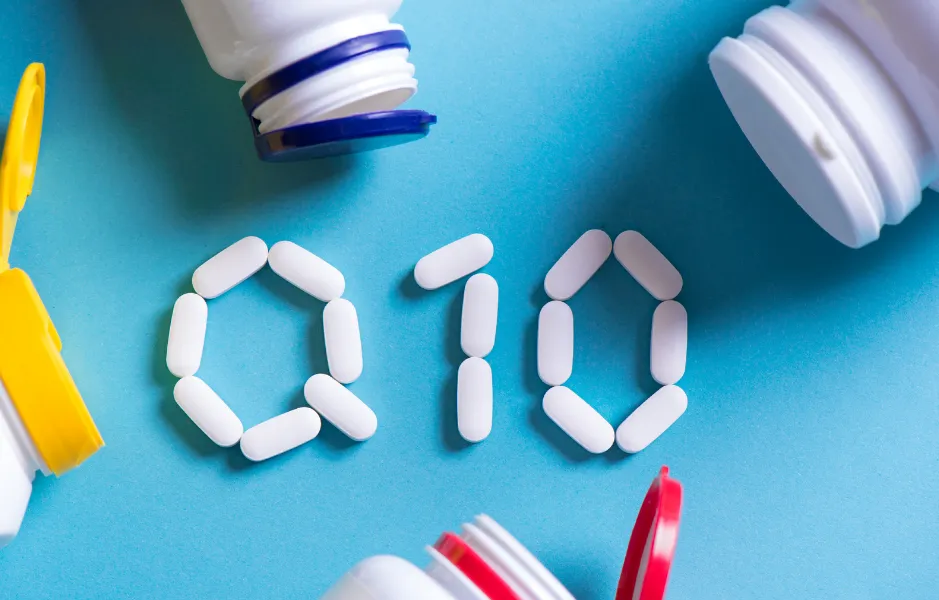
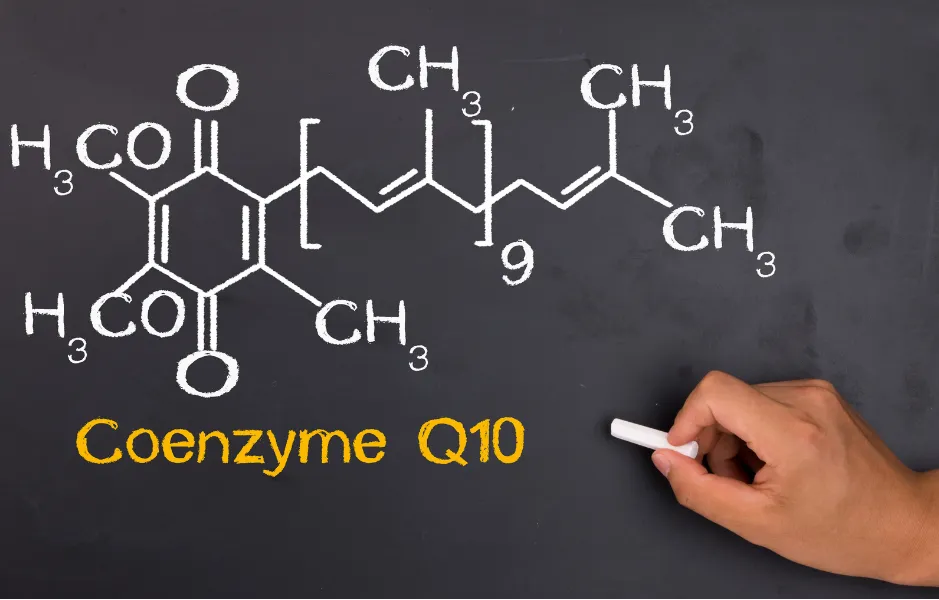
Coenzyme Q10; a key role in energy production, heart health, and antioxidant protection

Coenzyme Q10, or CoQ10, is a fat‑soluble, vitamin‑like compound naturally found in all cells of the body. This molecule plays an essential role in energy production within the mitochondria, known as the powerhouse of the cell. The highest concentrations of CoQ10 are observed in tissues with high energy demands, including the heart, brain, liver, and kidneys.

Table of Contents

CoQ10 and cellular energy production.

The most important function of coenzyme Q10 is its participation in the electron transport chain within mitochondria. This process is responsible for the production of ATP, the molecule that serves as the primary energy source for cells.

With aging, the natural levels of CoQ10 in the body decline. Additionally, certain diseases and the use of some medications, particularly statins, can reduce CoQ10 levels. A decrease in this compound may be associated with reduced cellular energy production and increased oxidative stress.

خواندنی ها

Antioxidant role.

In addition to energy production, CoQ10 is considered one of the most important endogenous antioxidants in the body. This substance protects cells against damage caused by free radicals and helps maintain the health of cell membranes.

Studies have shown that CoQ10 can prevent the oxidation of lipids and play a role in reducing oxidative stress.

Cardiovascular health

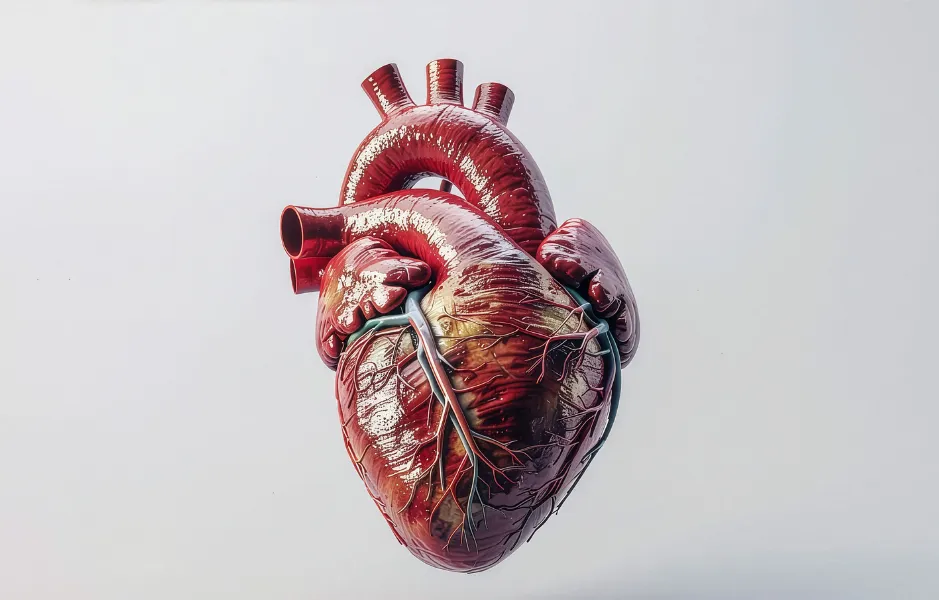
The heart is one of the most energy‑demanding organs in the body. This is why CoQ10 concentration in the heart muscle is very high.

Recent scientific reviews have shown that CoQ10 supplementation may improve mitochondrial function in heart cells and enhance certain indicators of cardiac performance. Furthermore, evidence has been reported indicating improved vascular function and maintenance of nitric oxide production.

Brain health and cognitive function.

The brain is one of the organs most dependent on cellular energy production. Recent studies suggest that CoQ10 may protect nerve cells against oxidative damage and help maintain normal mitochondrial function in neural tissue.

A review published in 2025 states that CoQ10, due to its key role in energy metabolism and control of oxidative stress, is one of the compounds of interest in research related to cognitive health and brain aging.

Supporting skin health

Recent research has shown that CoQ10 levels in the skin decline with age. This decrease may be associated with reduced cellular energy production, decreased collagen synthesis, and increased oxidative damage.

Review studies from 2024 have indicated that CoQ10, by stabilizing mitochondrial function and reducing oxidative damage, may play a role in maintaining skin elasticity and reducing signs of aging.

Conclusion

Coenzyme Q10 is one of the most important natural compounds in the body for cellular energy production and antioxidant protection. New scientific evidence shows that CoQ10 plays a significant role in supporting heart health, mitochondrial function, brain health, cell protection, and maintaining skin health. For this reason, it is now one of the most widely used compounds in supplements related to cellular energy, heart health, and anti‑aging formulations.

Related articles

Read at Nanohayat Salamat

دسته های پرطرف دار

دسته های پرطرف دار