loader image

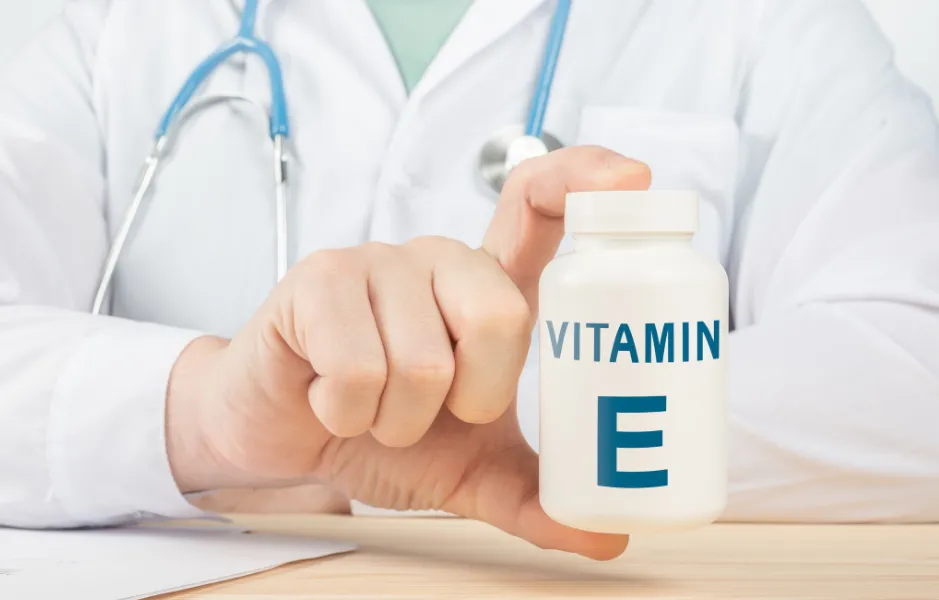
Vitamin E; a powerful antioxidant for cell protection and maintaining overall health

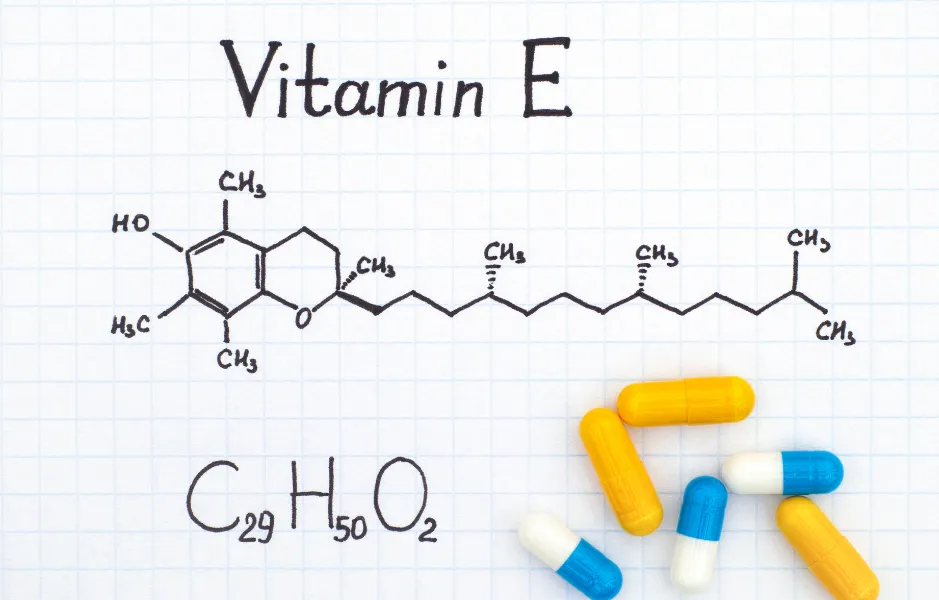
Vitamin E is one of the most important fat‑soluble vitamins, known for its strong antioxidant properties. It protects the body’s cells against damage caused by free radicals and plays a role in maintaining skin health, the immune system, cardiovascular health, and many metabolic processes.

Table of Contents

How does vitamin E work?

During normal bodily activities, molecules called free radicals are produced. If the level of these molecules increases, oxidative stress occurs, which can damage cell membranes, proteins, and DNA.

Vitamin E, as one of the most important fat‑soluble antioxidants, protects cell membranes and prevents the oxidation of fats in the body. This is why it plays a key role in maintaining cellular health.

خواندنی ها

The role of vitamin E in immune system health

Research has shown that vitamin E plays an important role in the normal functioning of the immune system. This vitamin can help maintain immune cell function and protect them against oxidative damage.

For this reason, adequate intake of vitamin E is especially important at older ages.

Vitamin E and skin health

The skin is constantly exposed to environmental damaging factors such as sunlight, air pollution, and oxidative stress. Vitamin E, due to its antioxidant properties, can help protect skin cells.

Studies have shown that vitamin E plays a role in maintaining skin moisture, supporting the skin’s protective barrier, and protecting against sun‑induced damage. Additionally, many skin care products use this vitamin as a protective compound.

Anti-inflammatory effects

Scientific studies have shown that vitamin E can reduce certain inflammatory markers. Research indicates that particularly the alpha‑tocopherol form may play a role in reducing mild and chronic inflammation.

Supporting cardiovascular health

Vitamin E has drawn the attention of researchers for its role in protecting lipids from oxidation and helping maintain normal vascular function. Some studies have suggested that this vitamin may have a supportive role in maintaining cardiovascular health, although high doses should only be taken under medical supervision.

Dietary sources of vitamin E

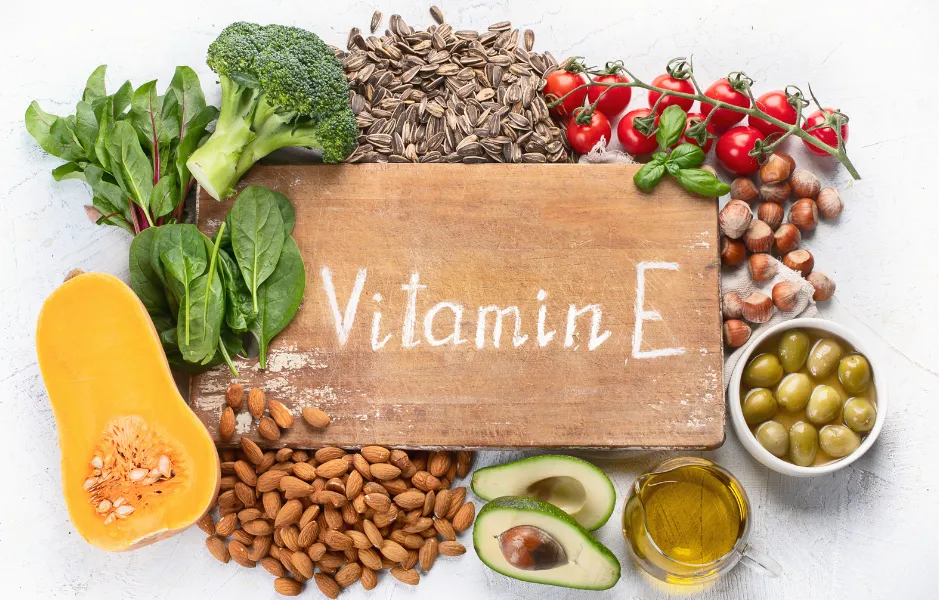
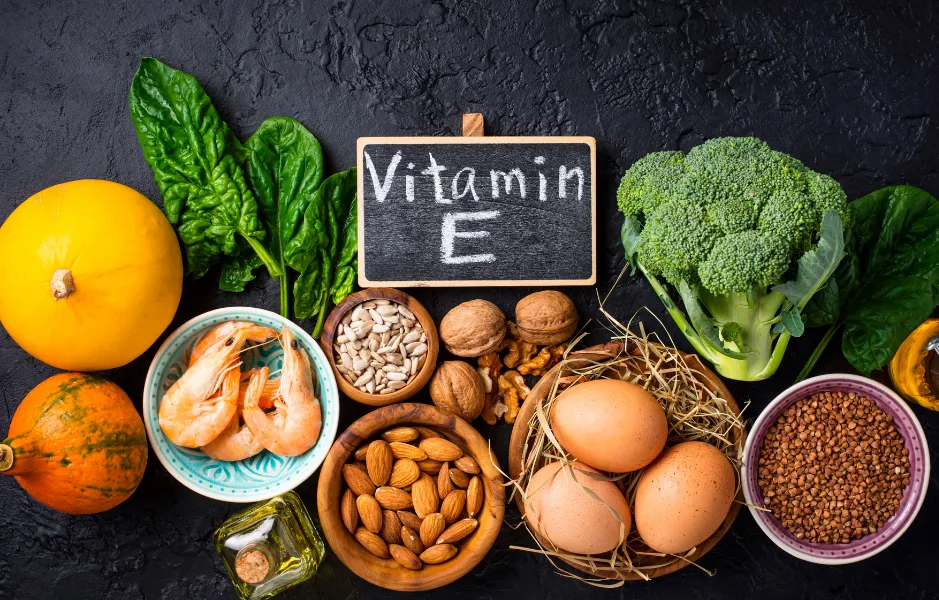
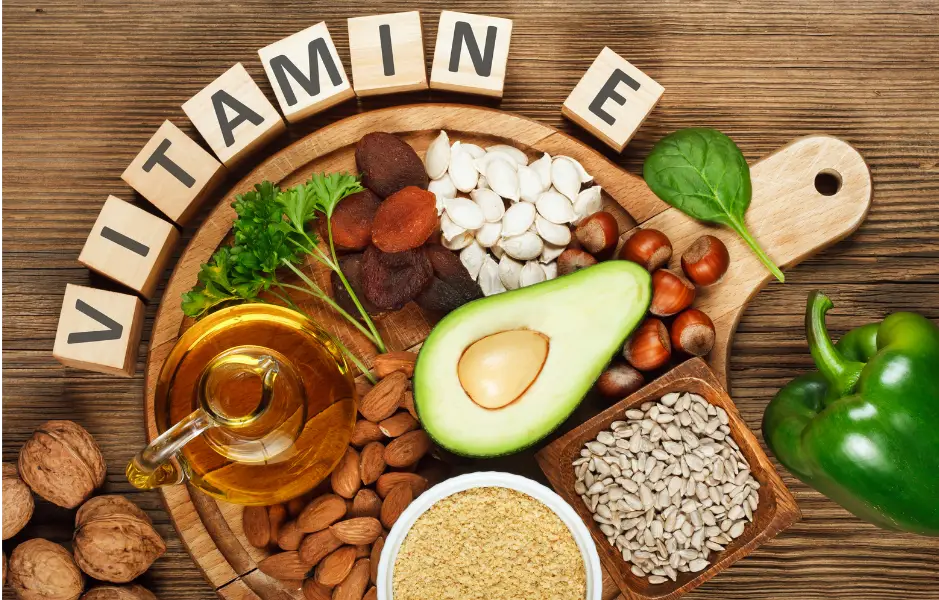
Rich sources of vitamin E include:

Almonds
Hazelnuts
Sunflower seeds
Avocado
Wheat germ oil
Sunflower oil
Spinach
Fatty fish

Getting vitamin E through a balanced diet is the best way to meet the body’s daily needs.

Vitamin E is one of the most important natural antioxidants in the body

Vitamin E is one of the most important natural antioxidants in the body, playing a key role in cell protection, supporting the immune system, skin health, and maintaining oxidative balance. New studies continue to confirm the importance of this vitamin in maintaining overall health and combating oxidative stress.

Related articles

Read at Nanohayat Salamat

دسته های پرطرف دار

دسته های پرطرف دار